

Installing solar panels on a rooftop may appear straightforward, but achieving dependable long-term generation requires careful technical planning. A qualified rooftop solar installer studies the site before deciding module placement, system capacity, electrical configuration, and mounting requirements.
For residential and commercial properties in Greater Noida, Uttar Pradesh, this assessment becomes particularly important because buildings can differ considerably in roof design, surrounding development, electricity demand, and usable installation space.
Rooftop Assessment Comes First
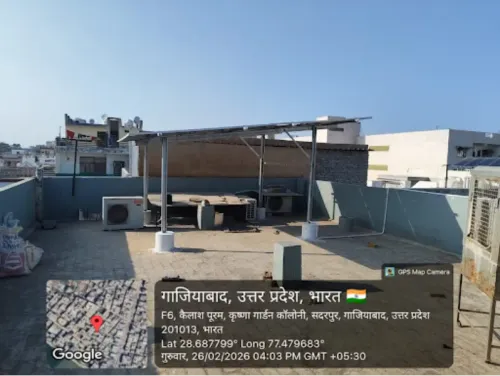
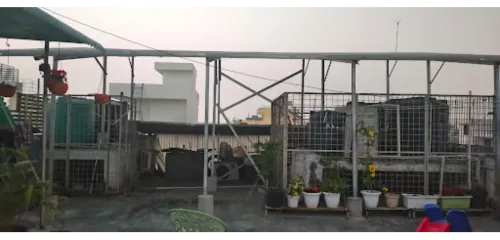
The first stage is understanding the roof itself. A site assessment typically considers roof dimensions, orientation, structural condition, shading, accessibility, drainage, and existing rooftop equipment.
Water tanks, staircases, HVAC equipment, utility structures, and neighbouring buildings can reduce the area available for modules.
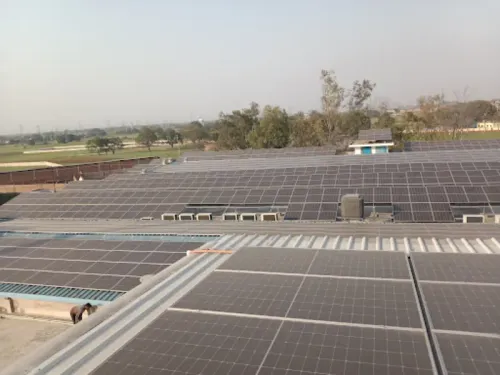
An installer should develop a layout that makes productive use of the available space without making future access unnecessarily difficult.
Solar Exposure Influences the Layout
Solar modules need consistent access to sunlight. Even partial shading at certain times of the day can affect generation, depending on system design and site conditions.
The layout therefore needs to account for surrounding structures and potential shadows.
Module positioning is planned based on factors such as:
- Available sunlight
- Roof orientation
- Module dimensions
- Inter-row spacing
- Maintenance access
- Existing rooftop obstacles
- Site-specific safety requirements
A larger number of panels does not automatically mean a better system if the arrangement creates shading issues.
System Capacity Should Match the Requirement
Selecting capacity solely according to available rooftop space can lead to an unsuitable installation. Electricity consumption should also be evaluated.
Historical bills can help establish the property's average energy requirement. The installer can then assess whether the available rooftop area can accommodate a system that meaningfully contributes to this demand.
For businesses, daytime load patterns are particularly relevant because solar electricity is generated during daylight hours.
Electrical Design Matters
Rooftop solar is an electrical power-generating system, so careful electrical design is essential.
Planning can include inverter sizing, DC cable routing, AC integration, protection devices, earthing, and suitable equipment placement. The inverter should also be installed in an appropriate location that supports accessibility and equipment operation.
Cable routes should be organised rather than added as an afterthought.
Installation Quality Affects Long-Term Performance
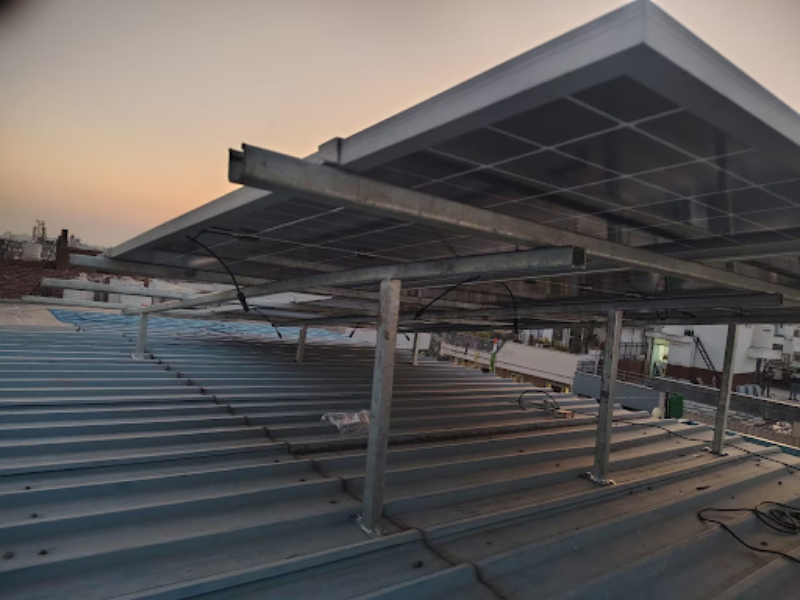
Mounting structures should provide stable support while meeting site-specific requirements. Workmanship around cable management, equipment mounting, electrical termination, waterproofing considerations, and safety measures also affects the quality of the completed system.
A professionally planned installation should remain accessible for inspection and maintenance after commissioning.
Monitoring Supports Better System Management
Once the solar plant begins operating, monitoring can help users understand generation trends and identify unusual performance changes.
This is useful for households as well as commercial facilities because solar generation naturally changes with weather and seasonal conditions. Monitoring provides a clearer picture of how the system performs over time.
Choosing a rooftop solar installer should therefore involve more than comparing panel brands. Property owners in Greater Noida can benefit from looking at site-assessment practices, engineering capability, installation quality, electrical planning, documentation, and post-installation support.