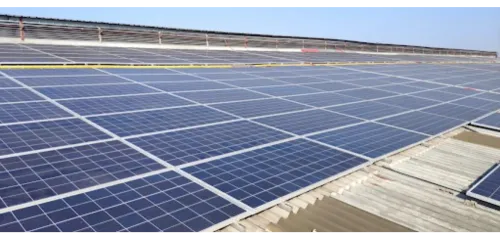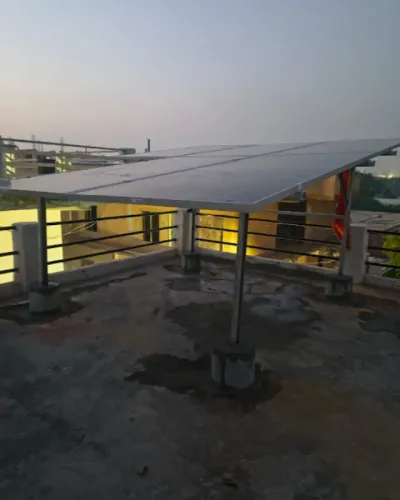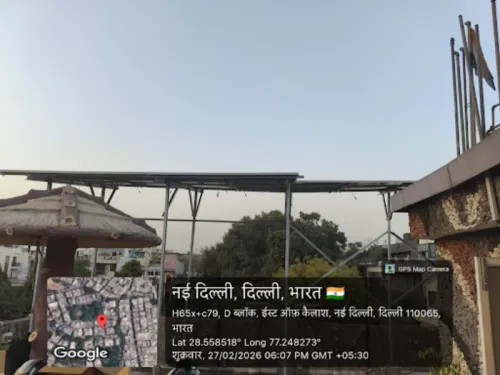


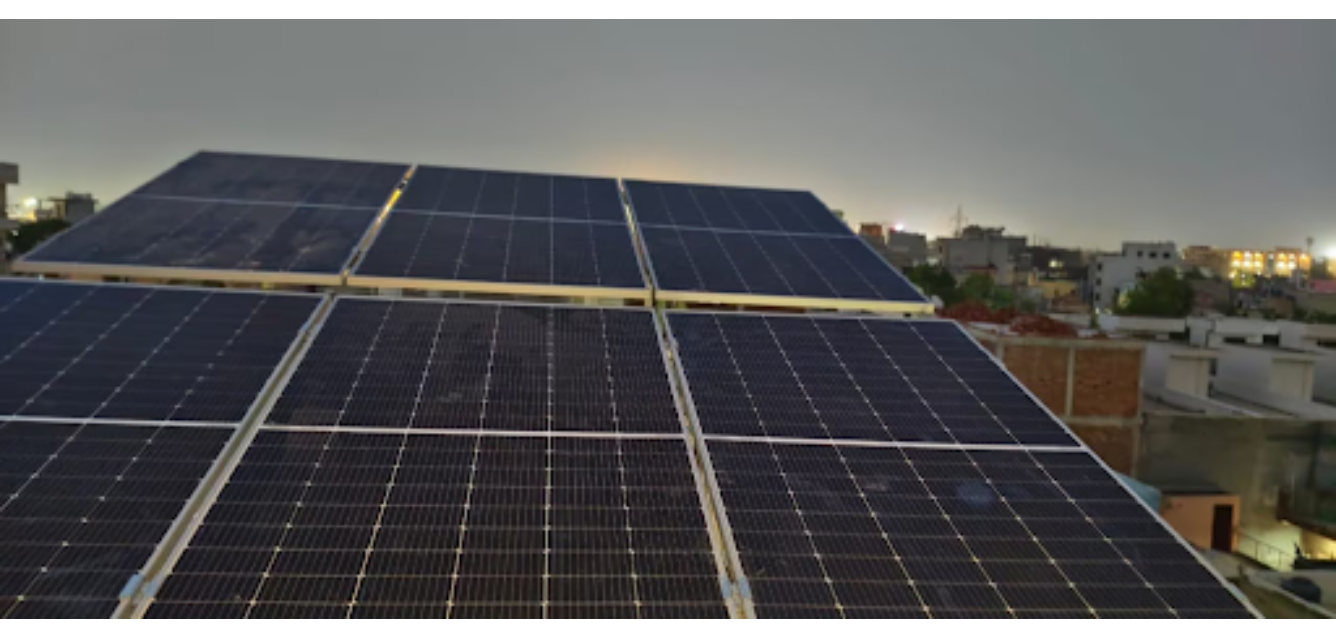
A 3 kilowatt solar system is commonly considered by homeowners, but capacity should never be selected simply because it is a familiar residential size. The right solar capacity depends on electricity consumption, available rooftop area, daytime energy use, site conditions, and the homeowner's objectives.
For households in Greater Noida, Uttar Pradesh, a few practical checks can help determine whether a 3 kW system deserves further evaluation.
Begin With Monthly Electricity Consumption
Review electricity bills from different seasons.
A household's consumption may rise substantially during summer because of air conditioning and fall during milder months. Water pumps, refrigerators, geysers, kitchen appliances, computers, and other equipment also contribute to the overall load.
Average consumption provides a better planning reference than using only one month's bill.
Consider When Electricity Is Used
Solar panels produce electricity during daylight hours.
Homes where a significant amount of electricity is consumed during the day may use solar generation differently from homes that remain largely unoccupied until evening.
Work-from-home schedules, daytime air conditioning, water pumping, and appliance usage can all influence the consumption pattern.
Check Whether the Roof Is Suitable
A 3 kW system requires adequate usable installation area, but raw roof dimensions alone do not determine suitability.
The survey should consider shadows, water tanks, parapet walls, staircases, nearby buildings, trees, access routes, and roof condition.
Space should also remain available for maintenance activities.
Review System Components
When evaluating a 3 kW proposal, check the complete system rather than focusing only on panel wattage.
Important elements include solar modules, inverter, mounting structures, cabling, earthing, electrical protection, monitoring arrangements, and installation workmanship.
Component compatibility is essential because these elements operate as one system.
Ask About Generation Estimates
Expected generation should be based on realistic assumptions.
Weather conditions, seasonal sunlight, shading, module orientation, equipment efficiency, system losses, maintenance, and other factors can affect actual output.
A useful proposal explains the assumptions behind its estimated generation instead of presenting a fixed figure as guaranteed performance.
Think About Future Household Loads
A home's electricity requirement may change over the next several years.
Potential additions can include:
- Extra air conditioners
- Additional rooms
- Electric cooking equipment
- Home office equipment
- Electric vehicle charging
- New water pumps
- Additional appliances
If significant changes are expected, they should be discussed during system planning.
Compare the Complete Ownership Picture
A residential solar decision should include installation cost, expected generation, maintenance needs, equipment warranties, monitoring, after-installation service, and potential long-term electricity savings.
This gives homeowners a broader understanding of value.
A 3 kilowatt solar system can be a suitable option for certain Greater Noida homes, but suitability should be confirmed through actual electricity data and a rooftop assessment. Capacity becomes meaningful only when it matches the property's consumption profile, installation conditions, and long-term energy requirements.