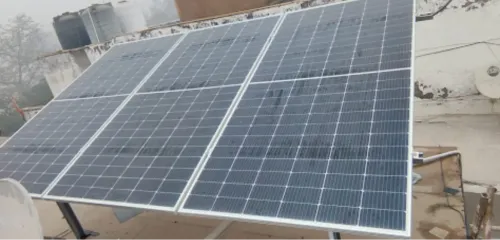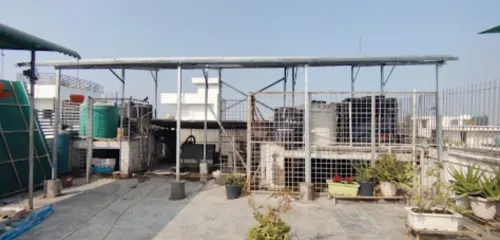


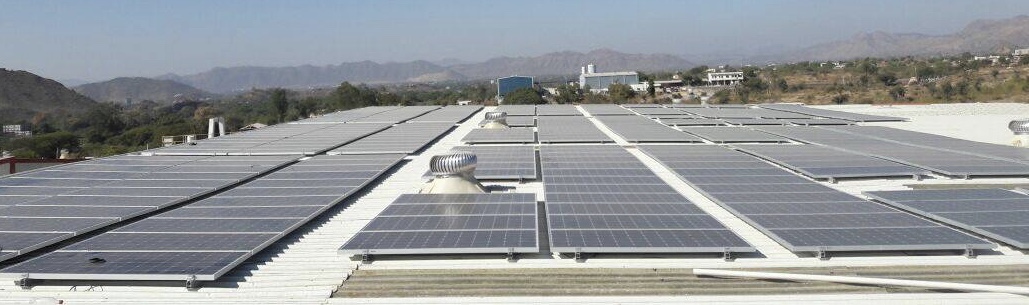
Solar Power Plant in factories of Noida
Solar power plants installed at factories, also known as industrial solar installations, are becoming increasingly popular as businesses seek to reduce their carbon footprint, lower energy costs, and enhance their sustainability efforts. These solar power plants are typically tailored to meet the specific energy needs of the factory while maximizing the utilization of available space. Here's how solar power plants are implemented in factories:
Site Assessment and Feasibility Study: The process begins with a thorough assessment of the factory site to determine its suitability for solar installations. Factors such as available rooftop or ground space, solar irradiance, shading, and structural integrity are evaluated. A feasibility study is conducted to assess the financial viability of the project, considering factors such as energy consumption patterns, electricity rates, available incentives, and return on investment (ROI).
Design and Engineering: Based on the site assessment and energy requirements of the factory, engineers design a solar power plant layout that optimizes the use of available space and maximizes solar energy production. This may involve designing rooftop solar arrays, ground-mounted systems, or a combination of both. The design phase also includes obtaining necessary permits and approvals from local authorities.
Procurement of Equipment: Once the design is finalized, procurement specialists source the necessary solar panels, inverters, mounting structures, and other components required for the installation. Quality and performance are essential considerations when selecting equipment to ensure the long-term reliability and efficiency of the solar power plant.
Installation: Skilled technicians and construction crews carry out the installation of solar panels, inverters, mounting structures, and electrical wiring according to the engineering plans and specifications. Safety protocols are followed throughout the installation process to minimize risks and ensure compliance with industry standards.
Electrical Integration: Solar inverters are installed to convert the direct current (DC) electricity generated by the solar panels into alternating current (AC) electricity, which can be used to power the factory's electrical systems. Electrical integration also involves connecting the solar power plant to the factory's existing electrical infrastructure, such as distribution panels and transformers.
Grid Connection and Net Metering: In most cases in India, excess electricity generated by the solar power plant can be exported to the grid through a net metering arrangement. This allows the factory to receive credits for the surplus energy produced, which can offset electricity bills during periods of low solar production or high energy demand.
Monitoring and Maintenance: Once the solar power plant is operational, monitoring systems are put in place to track energy production, system performance, and identify any potential issues. Regular maintenance and inspections are conducted to ensure the continued efficiency and reliability of the solar power plant.
Benefits of installing solar power plants in factories include:
Cost Savings: Solar power can significantly reduce electricity bills, leading to long-term cost savings for the factory.
Energy Independence: By generating their own electricity from solar power, factories can reduce their dependence on the grid and stabilize energy costs.
Environmental Benefits: Solar power plants help reduce greenhouse gas emissions and environmental impact, contributing to a cleaner and more sustainable energy future.
Corporate Social Responsibility: Investing in renewable energy demonstrates a commitment to environmental stewardship and sustainability, enhancing the company's reputation and brand image.
Overall, solar power plants offer a compelling solution for factories looking to transition to cleaner, more affordable, and more sustainable energy sources.