

A successful solar panel installation begins well before technicians arrive at the property. Site conditions, electricity consumption, system capacity, equipment selection, safety, and installation design all need to work together.
For residential, commercial, educational, and institutional properties in Delhi, a structured planning process can reduce uncertainty and help create a system suited to actual energy requirements.
Review Electricity Consumption First
Start by examining electricity bills across several months.
Identify typical monthly consumption and seasonal changes. Commercial properties should also consider operating hours because daytime electricity usage can influence how effectively on-site solar generation is consumed.
This data provides a practical foundation for system sizing.
Conduct a Detailed Site Survey
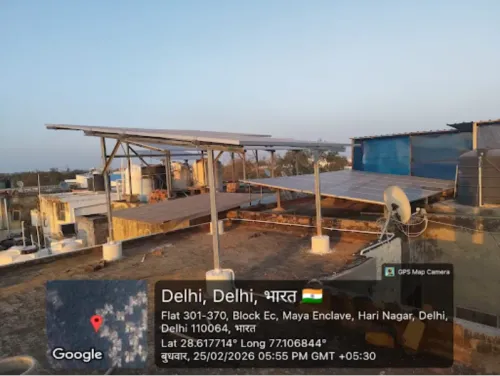
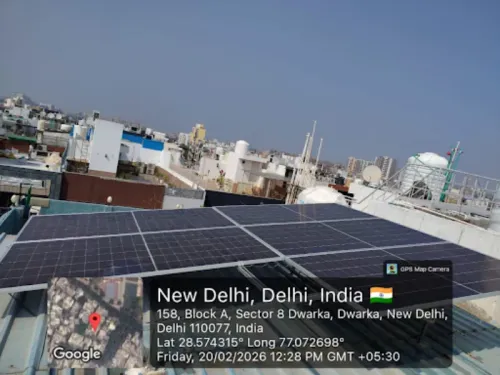
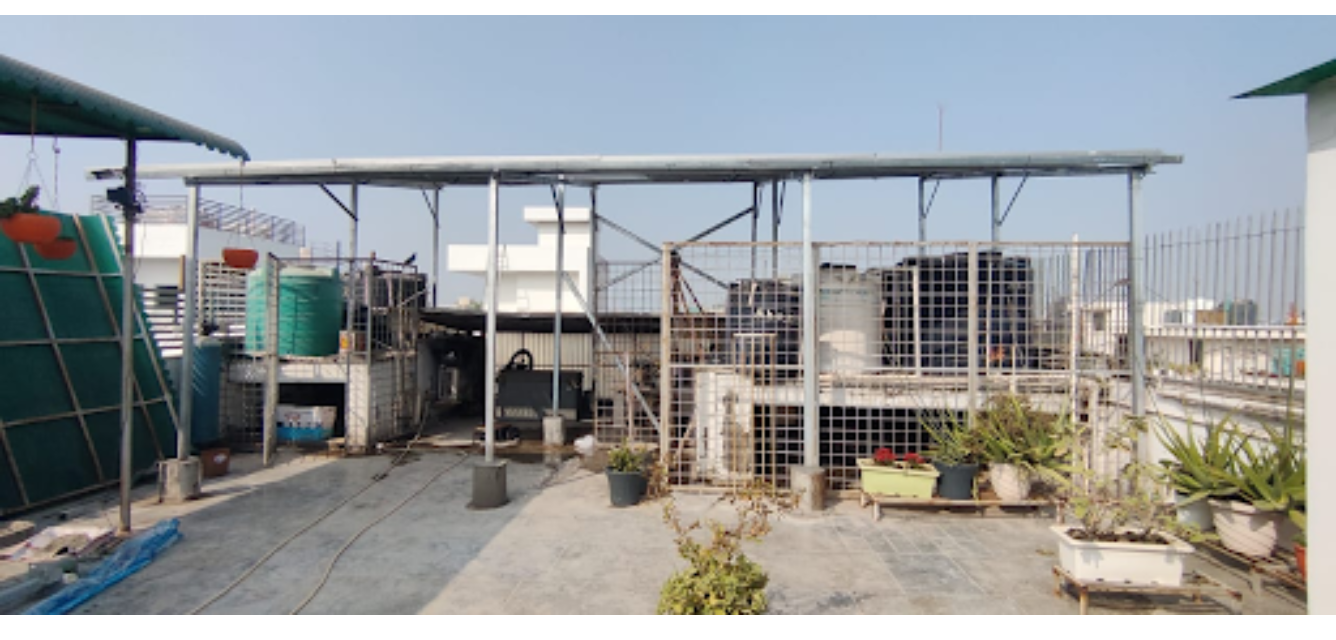
The installation area should be assessed for dimensions, roof type, orientation, shading, structural conditions, access, and existing rooftop equipment.
A survey may identify obstructions that are not obvious from ground level.
The findings help determine usable space and guide module placement.
Finalize the System Design
Once consumption and site conditions are understood, the proposed system can be designed.
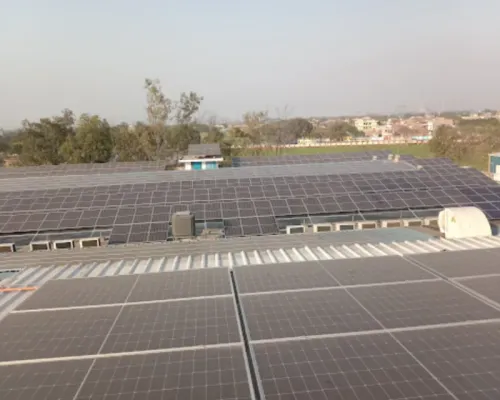
Planning covers module layout, inverter selection, mounting structure, cable routing, electrical protection, earthing, and other technical requirements.
The objective should be a balanced system rather than simply maximizing the number of panels.
Check Equipment Specifications
A proposal should clearly state the technical specifications of major equipment.
Customers can review:
- Module specifications
- Inverter specifications
- Mounting structure
- Cables
- Connectors
- Protection equipment
- Monitoring features
- Applicable warranties
This provides a much clearer basis for evaluating a project than capacity and price alone.
Review Installation Safety
Solar equipment is exposed to outdoor conditions for extended periods.
Mechanical mounting, cable management, electrical protection, and earthing should therefore receive careful attention.
For commercial and institutional buildings, installation planning should also account for existing rooftop activities and maintenance access.
Understand the Installation Process
After design and equipment finalization, the project moves into execution.
Mounting structures are installed, modules are positioned, electrical connections are completed, and the inverter and protection equipment are integrated.
The system should then undergo appropriate checks before commissioning.
Establish a Maintenance Routine
Solar PV systems generally have manageable maintenance requirements, but they should not be ignored.
Dust and environmental deposits can accumulate on modules. Periodic cleaning and inspection help maintain effective operation.
Monitoring generation can provide an early indication of unusual performance changes.
Select a Provider Based on Complete Capability
A solar project combines engineering, procurement, electrical work, installation, testing, and support. Evaluating the provider's ability across these areas can be more useful than selecting solely on quotation value.
Verde Solaire Private Limited provides solar energy solutions for multiple property categories. Customers planning solar panel installation in Delhi can benefit from a systematic approach that considers energy requirements, rooftop feasibility, system design, equipment quality, and long-term support.
Careful preparation creates the foundation for reliable solar generation throughout the system's working life.