

Large solar projects involve several interconnected activities, including engineering, equipment procurement, installation, electrical integration, testing, and commissioning. A solar EPC company brings these activities together through an Engineering, Procurement and Construction model.
This approach can be particularly relevant to industrial facilities, educational campuses, commercial properties, real estate developments, and institutional buildings in Ghaziabad, Uttar Pradesh.
Engineering Establishes the Project Foundation
Solar engineering begins with understanding the site and the client's electricity requirements.
Engineers may assess available installation space, electricity consumption, load characteristics, shading, structural considerations, equipment locations, and electrical infrastructure.
These findings influence important project decisions such as system capacity, module arrangement, inverter configuration, cable routing, protection systems, and mounting design.
Engineering helps ensure that the project is developed around actual site conditions rather than a generic solar package.
Procurement Connects Design With Equipment
Once the system has been designed, suitable equipment must be selected and procured.
Typical components include:
- Solar PV modules
- Inverters
- Mounting structures
- DC and AC cables
- Electrical panels
- Earthing components
- Protection devices
- Monitoring equipment
Procurement is not simply about finding individual components at the lowest available price. Equipment needs to be compatible with the engineering design and appropriate for the operating environment.
Documentation, specifications, warranties, and supply reliability can also influence procurement decisions.
Construction Turns the Design Into a Working Plant
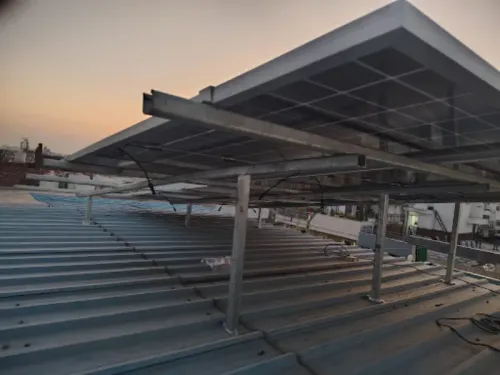
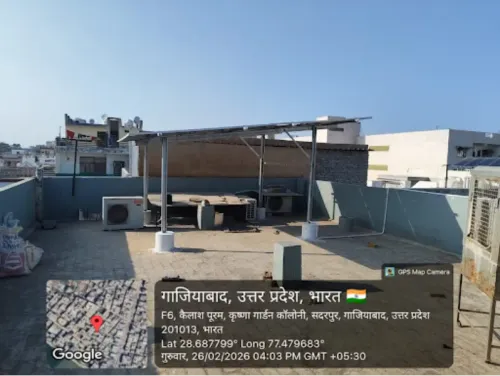
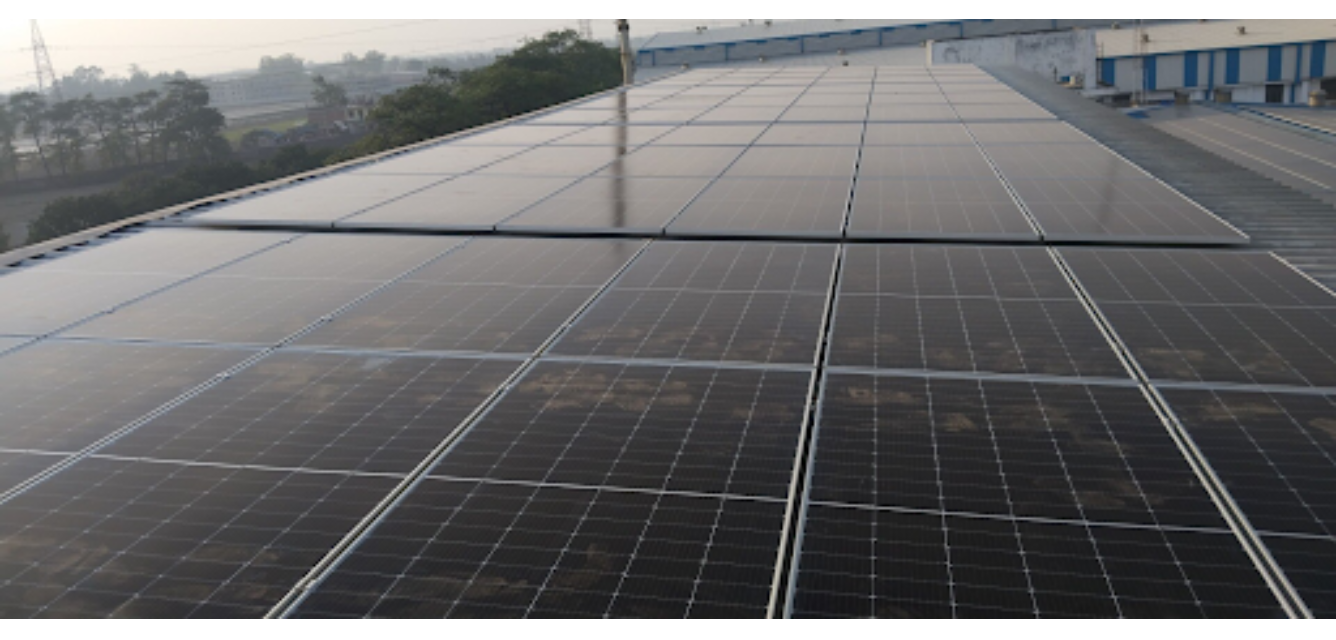
The construction stage includes installation of mounting structures, modules, inverters, cables, electrical panels, earthing systems, and related equipment.
Coordination becomes especially important at active commercial and industrial sites where normal operations may continue during installation.
A planned construction sequence can help manage site access, material movement, electrical work, and installation activities efficiently.
Testing Comes Before Regular Operation
A solar plant should be checked before it enters routine service.
Commissioning activities may include electrical inspections, equipment checks, system testing, inverter configuration, verification of connections, and generation monitoring.
The exact process depends on project size and configuration.
Commissioning provides an opportunity to confirm that the installed system reflects the approved engineering design and that major components are operating as intended.
Documentation Supports Future Maintenance
Technical documentation can become valuable throughout the life of a solar plant. System drawings, equipment details, warranty information, commissioning records, and maintenance guidance provide useful references for facility teams.
This is particularly important for industrial and institutional properties where different teams may manage the system over its operating life.
For organizations in Ghaziabad evaluating solar adoption, understanding the EPC process makes project discussions more productive. A capable solar EPC company coordinates engineering, procurement, construction, testing, and commissioning as connected stages of one project, helping transform a solar proposal into an operational energy asset.