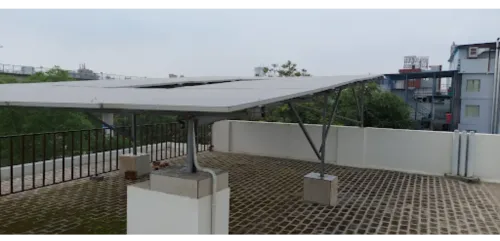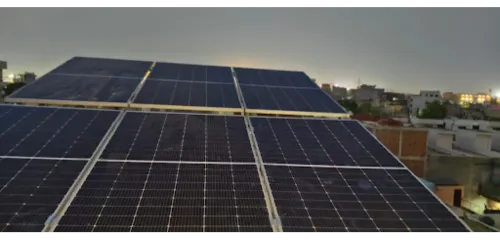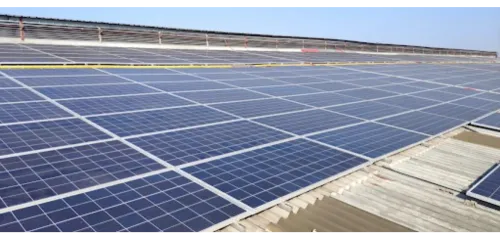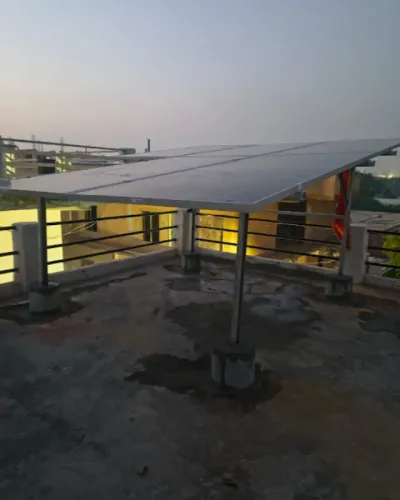


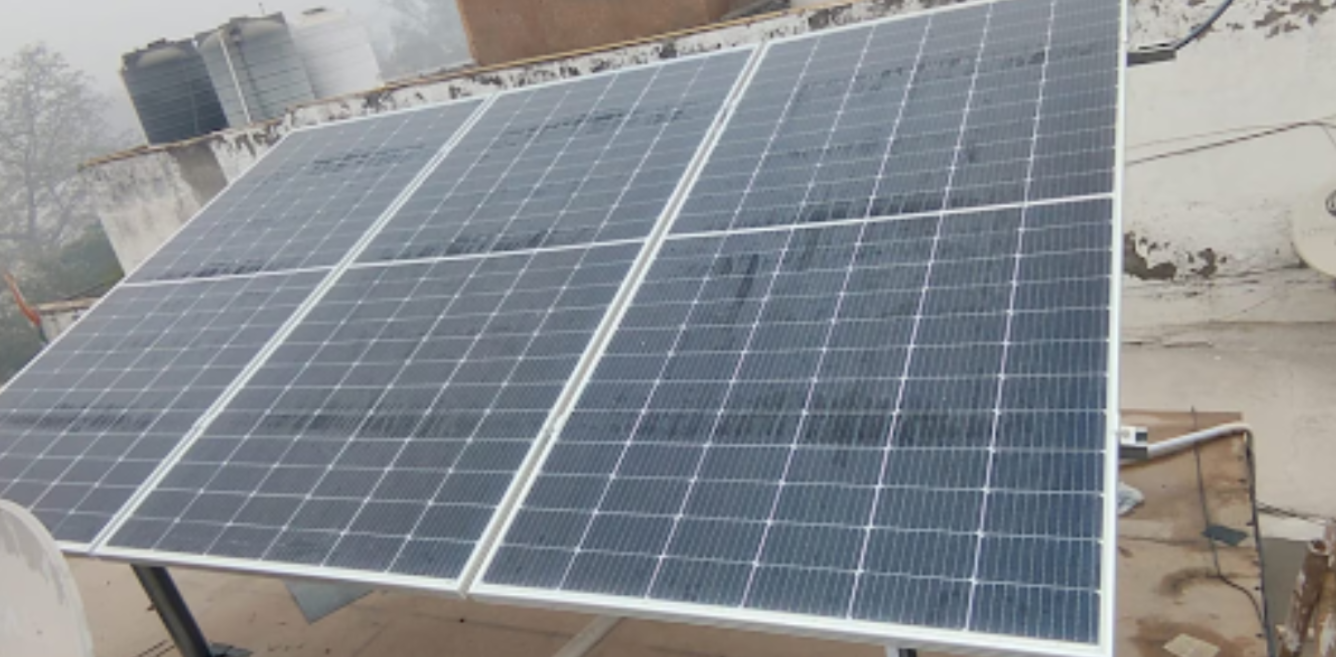
For many families, the decision to install household solar panels begins with a simple question. Can the unused rooftop generate enough electricity to make a meaningful difference to monthly energy expenses?
In Greater Noida, where residential development includes independent homes, villas, plotted properties, and housing communities, rooftop solar has become an increasingly relevant energy option. Understanding the basic requirements can help homeowners decide whether their property is suitable.
Household Solar Panels Need More Than Sunlight
Good sunlight is essential, but it is not the only consideration. Solar system performance depends on several site-specific factors.
Before installation, homeowners should consider:
- Available shadow-free rooftop area
- Roof strength and condition
- Electricity consumption
- Panel placement
- Inverter capacity
- Electrical safety
- Maintenance accessibility
A site survey helps determine how these factors affect the proposed system.
Solar Panels Produce Electricity During Daylight
Photovoltaic panels generate electricity when exposed to sunlight. Production changes throughout the day depending on solar conditions.
The system's inverter converts generated electricity into a form that can be used by household electrical equipment. Depending on the system configuration, grid electricity can continue supporting the property whenever solar generation is insufficient.
This makes rooftop solar a practical supplement to conventional electricity rather than requiring homeowners to change their normal lifestyle dramatically.
Check Your Electricity Bills Before Selecting Capacity
One of the most useful steps is to examine previous electricity bills.
Instead of choosing a system merely because a particular capacity is popular, homeowners should understand their own consumption. A house with extensive air-conditioning and daytime usage can have very different requirements from a house that remains mostly unoccupied during working hours.
Consumption analysis helps installers recommend an appropriate capacity.
Rooftop Space Needs Careful Planning
Not every square metre of rooftop space can necessarily be covered with modules.
Water tanks, staircases, antennas, neighbouring buildings, trees, and other structures may cast shadows. Space may also be required between modules and around the installation for safe access.
A well-designed system balances maximum useful generation with practical maintenance requirements.
Panel Quality Is Only One Part of the Decision
Homeowners often focus heavily on the brand and specifications of solar modules. While panels are important, the overall system includes several other components that influence reliability.
The inverter, mounting structure, cables, connectors, protection equipment, earthing, and workmanship all deserve attention.
An excellent panel installed with poor electrical practices can still result in an unreliable system.
Think Beyond the Initial Purchase
Solar equipment is expected to operate for many years. Homeowners should therefore evaluate warranties, service support, installation standards, monitoring, and maintenance requirements.
Verde Solaire Private Limited provides solar energy solutions for different customer categories, including residential properties. For homeowners considering household solar panels in Greater Noida, a technical assessment can provide a clearer picture of suitable capacity, rooftop feasibility, and expected generation.
A thoughtfully designed system makes better use of available rooftop space and can support lower dependence on grid-supplied electricity over the long term.