

A commercial solar project can support lower grid electricity consumption and help organizations increase their use of renewable energy. However, solar power plant installation requires more than selecting a capacity and placing modules on available space.
Businesses in Noida should evaluate technical, financial, operational, and site-specific factors before moving forward.
Understand the Facility's Energy Profile
Begin with electricity consumption data.
Review monthly bills, daytime demand, operating hours, seasonal fluctuations, and major electrical loads. Facilities with substantial daytime consumption may be able to use a significant share of solar electricity while it is being generated.
Accurate load information helps create a more appropriate project design.
Confirm Site Feasibility
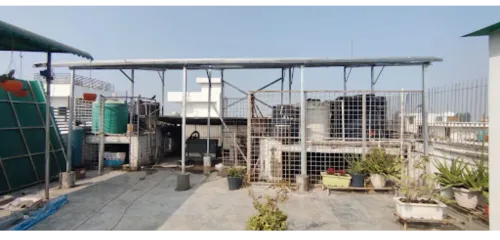
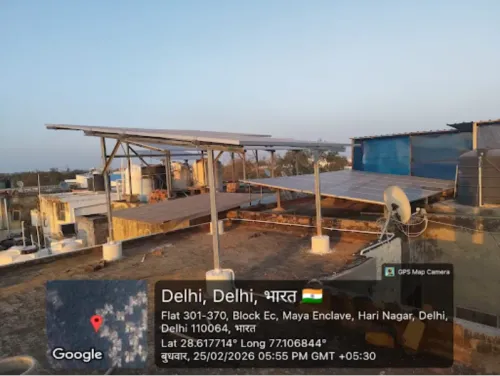
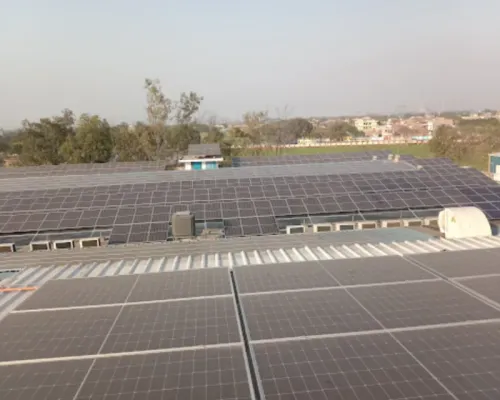
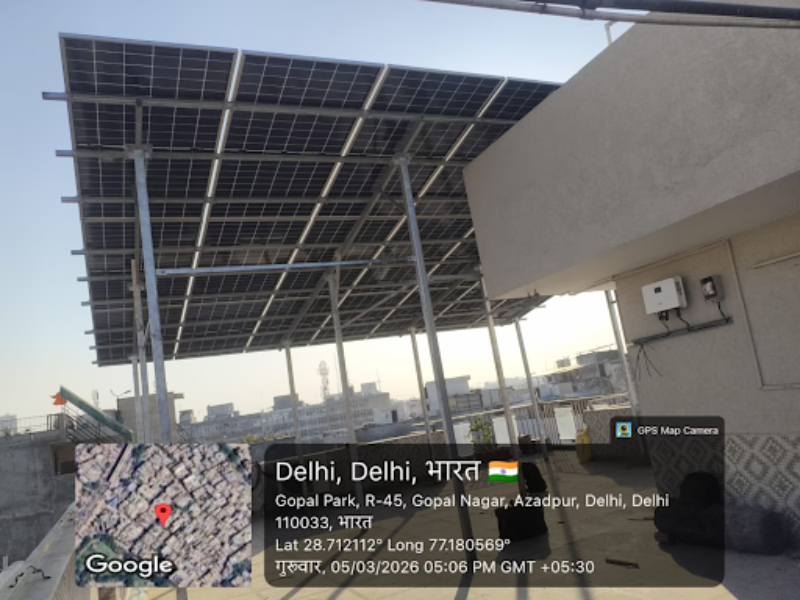
Potential installation areas can include building rooftops and other technically suitable spaces.
The assessment should consider:
- Available area
- Structural suitability
- Shading
- Roof condition
- Equipment already installed
- Maintenance access
- Electrical infrastructure
- Cable routing
Site constraints discovered late in a project can affect both design and cost, making an early survey important.
Examine Expected Energy Generation
Decision-makers should understand the assumptions behind generation estimates.
Module orientation, solar resource, system losses, temperature, shading, equipment efficiency, and maintenance can all affect output.
A realistic generation estimate provides a stronger basis for financial evaluation than optimistic headline numbers.
Review the Technical Scope Carefully
A commercial solar plant consists of multiple interconnected systems.
The proposal should provide sufficient information about modules, inverters, structures, cables, protection systems, earthing, monitoring, and commissioning.
Clear specifications help procurement and management teams evaluate competing proposals more effectively.
Consider Operational Requirements
Solar installation work should be coordinated with normal business operations.
Access routes, work schedules, rooftop activities, electrical shutdown requirements, and safety procedures may need advance planning.
For occupied commercial buildings and active industrial sites, project coordination can be as important as equipment selection.
Evaluate Long-Term Support
Solar assets are expected to remain productive for years. Organizations should therefore understand warranties, monitoring arrangements, preventive maintenance requirements, and service responsibilities.
Monitoring is particularly valuable for commercial systems because performance changes can be identified through generation data rather than waiting for a visible equipment problem.
Select a Provider With End-to-End Understanding
Commercial projects require coordination across design, procurement, installation, electrical integration, testing, and commissioning.
Verde Solaire Private Limited works in solar energy solutions and EPC-related services for different customer segments. Businesses considering solar power plant installation in Noida can evaluate providers according to technical planning, equipment specifications, execution capability, safety practices, and post-installation support.
A well-planned solar plant should fit the site's electricity profile and operational conditions while providing dependable renewable electricity generation over the long term.