

Preparing properly before household solar panels installation can prevent design changes, unexpected costs, and practical difficulties later. Residential solar projects work best when homeowners understand their electricity requirements, rooftop conditions, equipment specifications, and installation scope before technicians arrive.
For homeowners in Noida, Uttar Pradesh, the following readiness checks can make the project more organised.
Confirm Your Electricity Requirement
Collect recent electricity bills and review consumption across several months.
This gives the solar provider useful data for estimating capacity and understanding seasonal changes.
If household consumption is expected to increase because of new air conditioners, additional rooms, an electric vehicle, or other appliances, mention this during planning.
Make Sure the Rooftop Has Been Surveyed
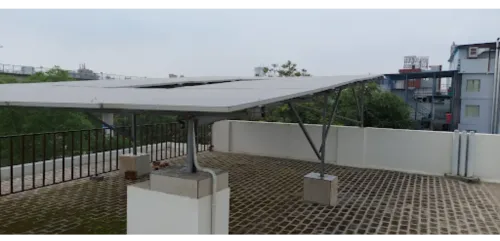
A site survey should identify usable roof area and possible obstacles.
The assessment needs to consider water tanks, staircases, parapet walls, neighbouring structures, trees, utility lines, shadows, and access points.
The roof's physical condition should also be reviewed before mounting work begins.
Approve the Proposed Layout
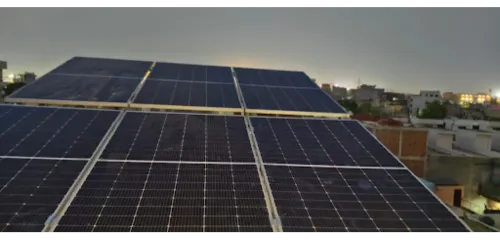
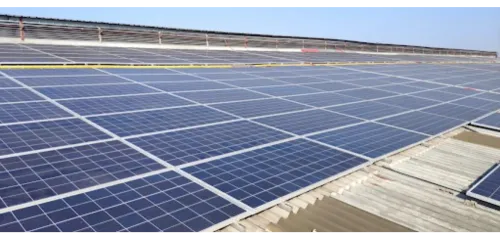
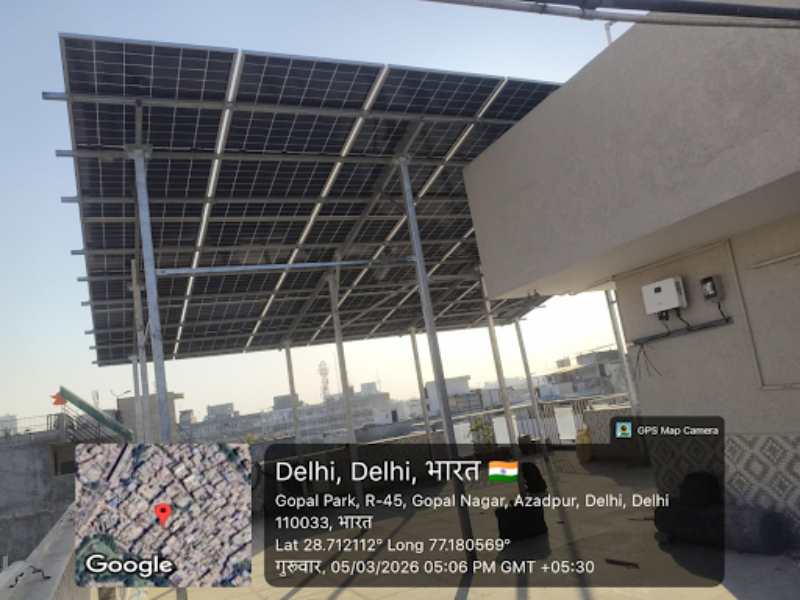
Homeowners should understand where the modules and major equipment will be installed.
A good layout should provide appropriate solar exposure while maintaining practical access for cleaning, inspection, and other rooftop activities.
If the terrace is regularly used by the household, this should be discussed before the layout is finalized.
Confirm Equipment Details
Before installation begins, verify the equipment included in the approved proposal.
Check:
- Module make and specifications
- Inverter make and capacity
- Mounting structure details
- Cable specifications
- Electrical protection
- Earthing arrangements
- Monitoring provisions
- Product warranties
This helps ensure that supplied components correspond with the agreed project scope.
Clarify Installation Responsibilities
Some projects may require preparation beyond the solar equipment itself.
Ask whether any civil, electrical, structural, access-related, metering-related, documentation-related, or other site work needs to be completed separately.
Knowing responsibilities beforehand reduces confusion during execution.
Plan the Inverter Location
The inverter is an important system component and should be installed in an appropriate location based on technical requirements.
Accessibility, cable routing, environmental exposure, ventilation, and maintenance access may need consideration.
The final location should be agreed during planning rather than decided casually during installation.
Understand Commissioning and Monitoring
Ask what checks will be performed when installation is completed and how system generation can be monitored.
Homeowners should know how to view basic performance information and whom to approach when unusual generation patterns appear.
Keep commissioning details and equipment documents in an accessible place.
Prepare for Routine Maintenance
Solar modules may require periodic cleaning depending on local dust and environmental conditions.
The rooftop layout should make maintenance reasonably accessible without interfering with other building systems.
A successful household solar panels installation in Noida begins before the first panel reaches the roof. When electricity data, site conditions, layout, equipment, responsibilities, monitoring, and maintenance are clarified in advance, homeowners can approach installation with a much clearer understanding of how the completed system will function.